
Built to change what waste is worth.

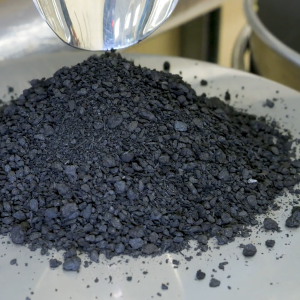
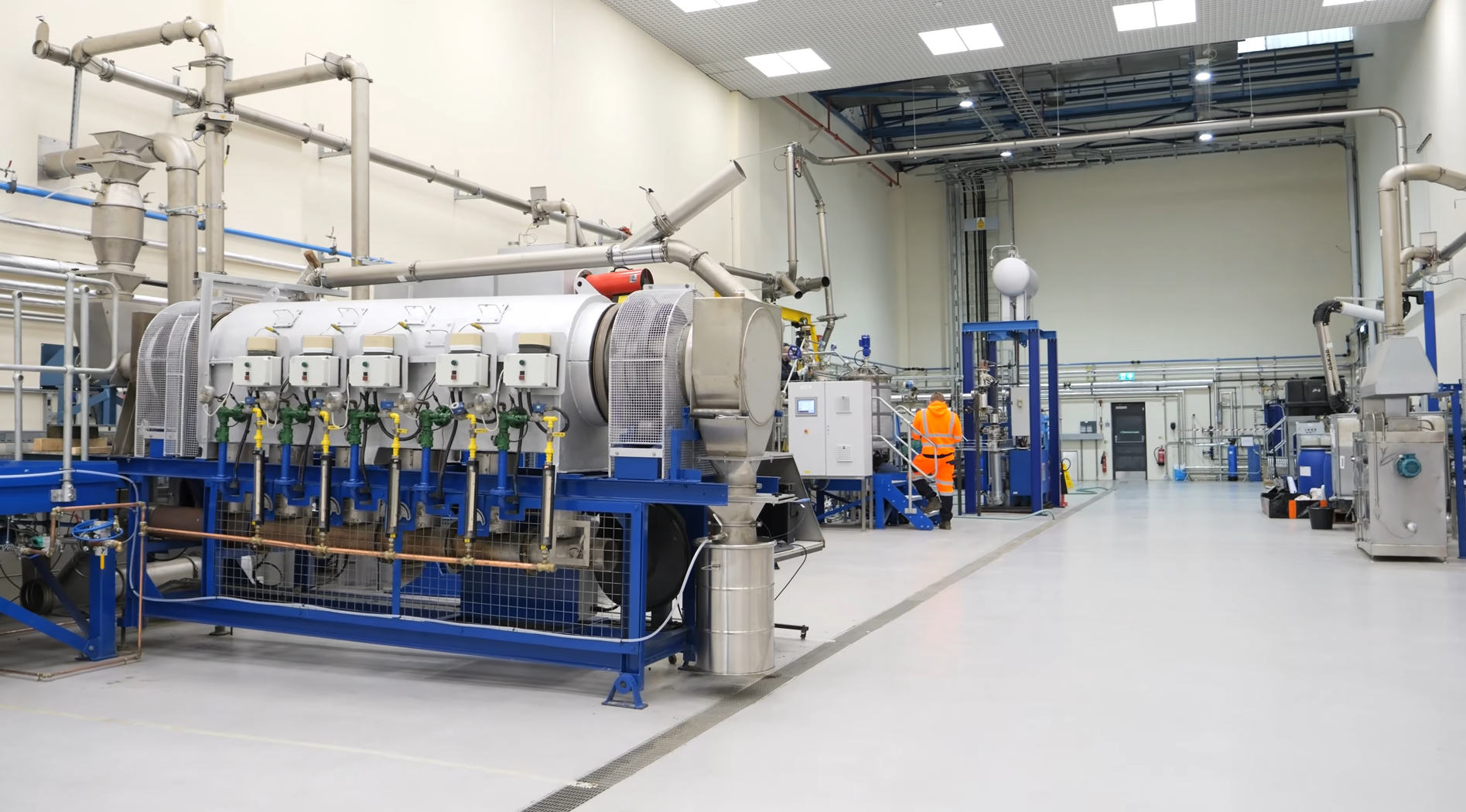
Onunda is a British technology company turning wet organic residues into useful resources. Our patented process converts surplus manure, slurry and digestate into biochar and nutrient-rich liquid fertiliser. It also recovers energy for treatment and retains carbon in biochar, creating the potential for long-term carbon storage.
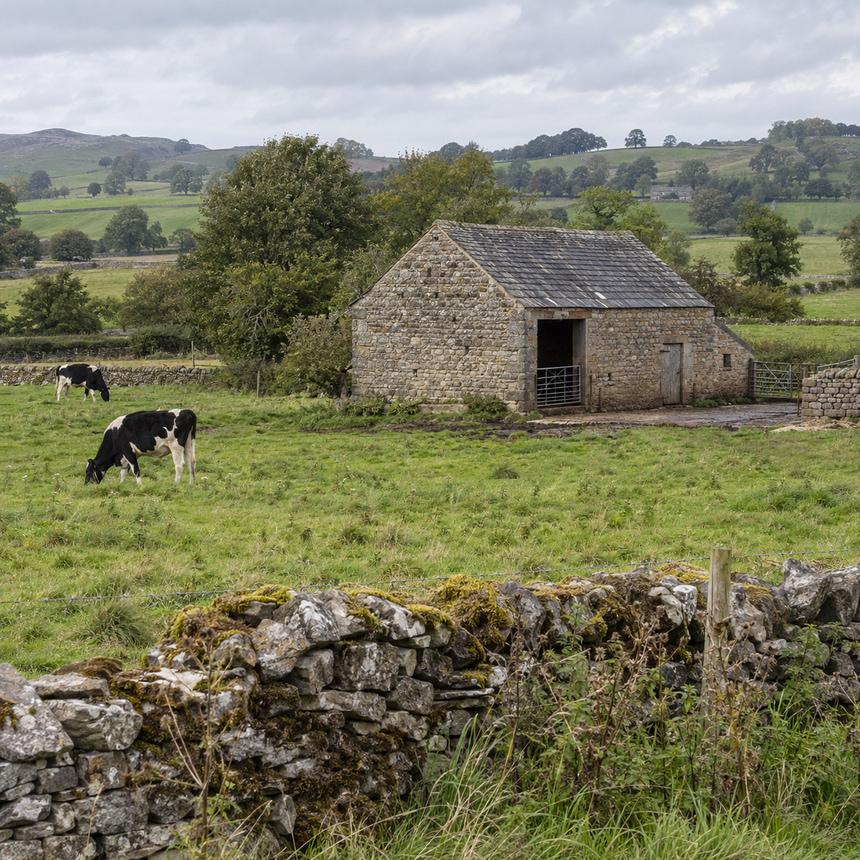
Founded in Cumbria, Onunda grew out of efforts to improve sewage sludge treatment. We bring together experience in engineering, water and energy, with technology development supported by research with Newcastle University. Today, our focus is British agricultural residues, while the technology also has applications for sludge from wastewater treatment plants.
 Watch our presentation on YouTube.
Origins

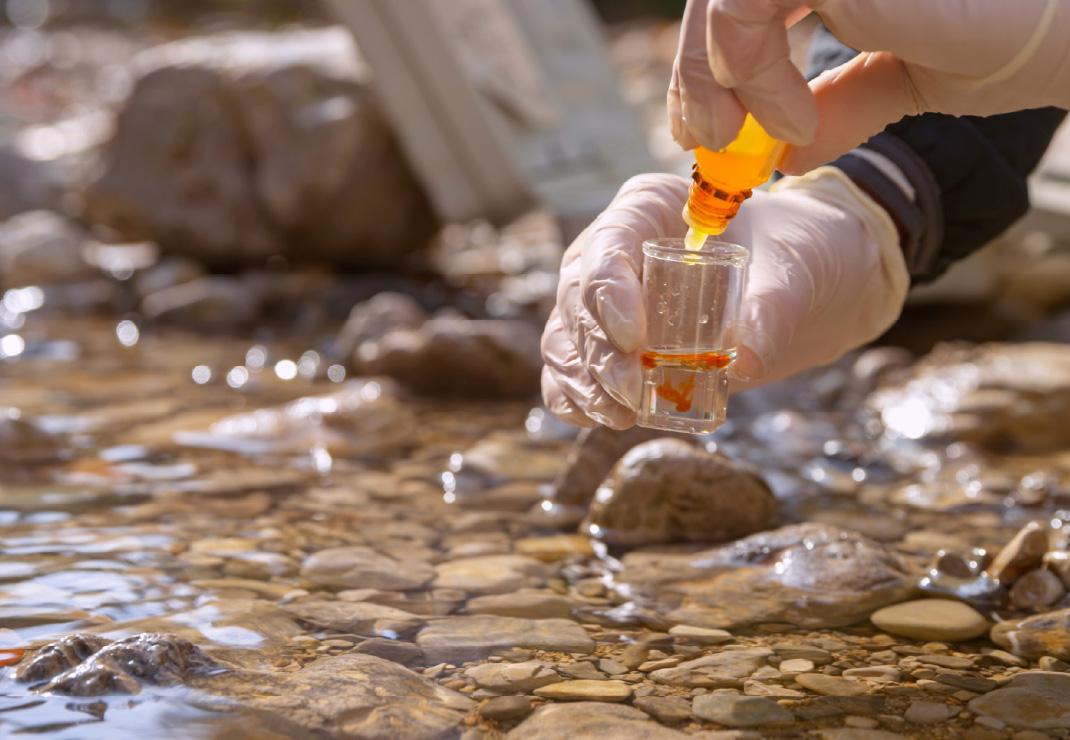
The Onunda technology was created as a direct result of the concerns surrounding the natural ecosystem of Windermere, which has seen increased levels of pollution in recent years.

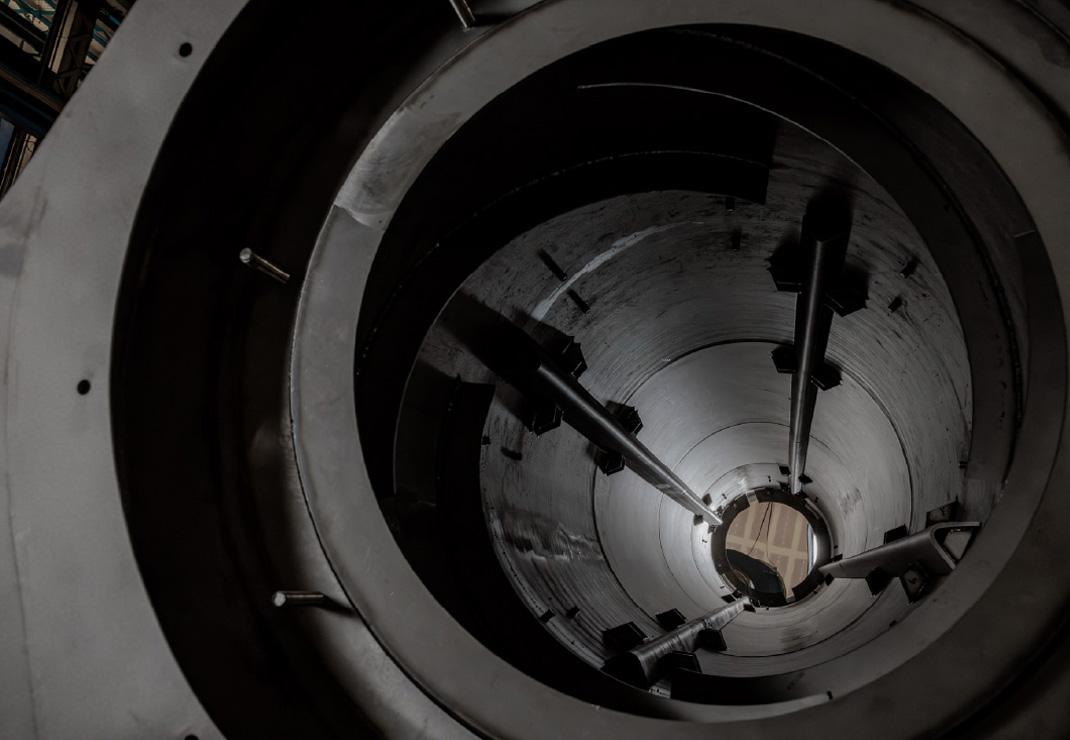
Technology development began in early 2022. The initial design focused on combining hydrothermal carbonisation with dewatering, drying and gasification technologies to create an integrated process designed to recover nutrients and energy from organic waste feedstocks.

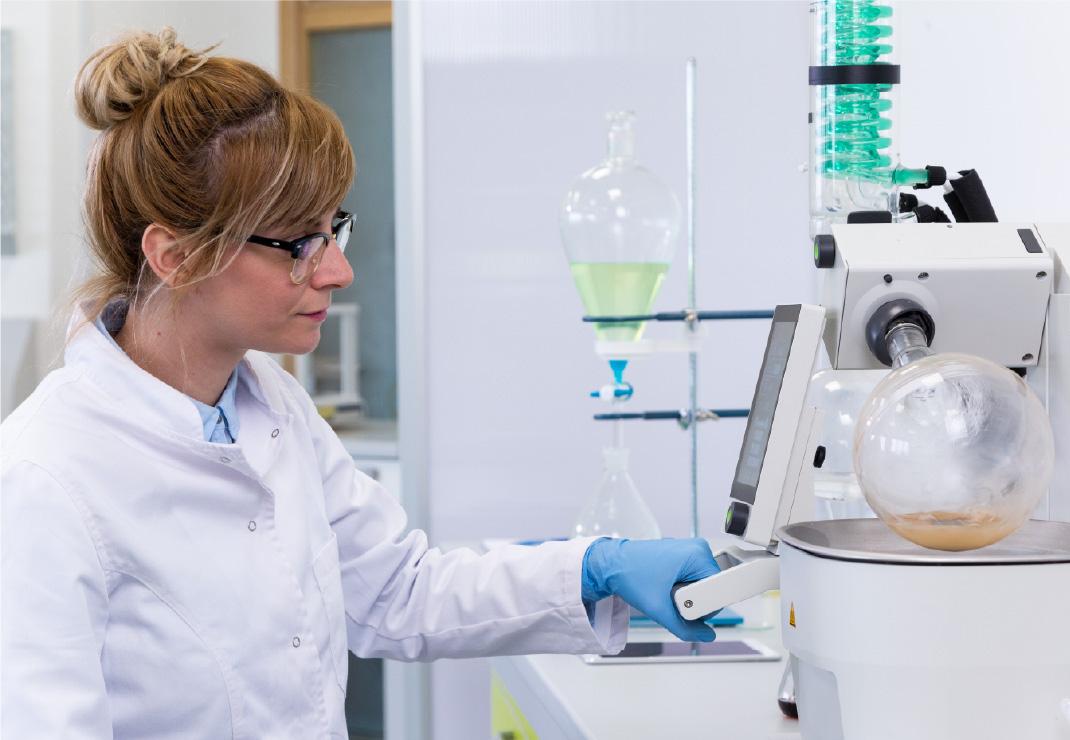
Newcastle University’s Chemical Engineering Department completed a detailed feasibility study at the end of 2022, into “Thermochemical conversion of sewage sludge into energy and nutrients”.

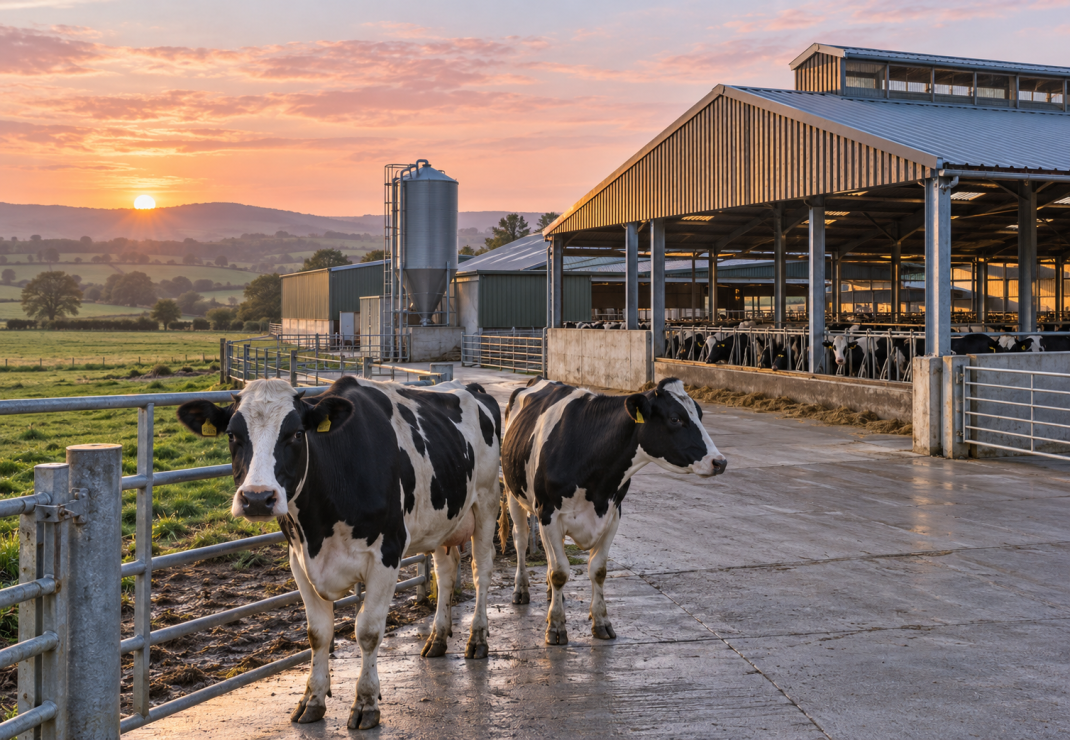
Onunda formalised as a stand-alone business in early 2023.
Leadership Team





Önundr
Onunda takes its name from Önundr, connecting the Lake District’s Norse heritage with our roots in Windermere. The lake is part of our identity and the reason our story began.
Concern for its environment prompted us to look at organic waste differently: as a source of nutrients, carbon and recoverable value. Today, that thinking extends to British agriculture. Our work turns surplus farm residues into useful products, carrying forward the ambition that started in Windermere: to recover resources and help protect the land and water we depend on.