
Engineered to recover value from waste
Onunda’s patented technology turns wet agricultural residues, including surplus manure, slurry and digestate, into biochar and nutrient-rich liquid fertiliser. Combining hydrothermal carbonisation and pyrolysis, it recovers energy for treatment and retains carbon in biochar. Our focus is British agriculture, with wider applications for sewage sludge from wastewater treatment plants.

Hydrothermal Carbonization (HTC)
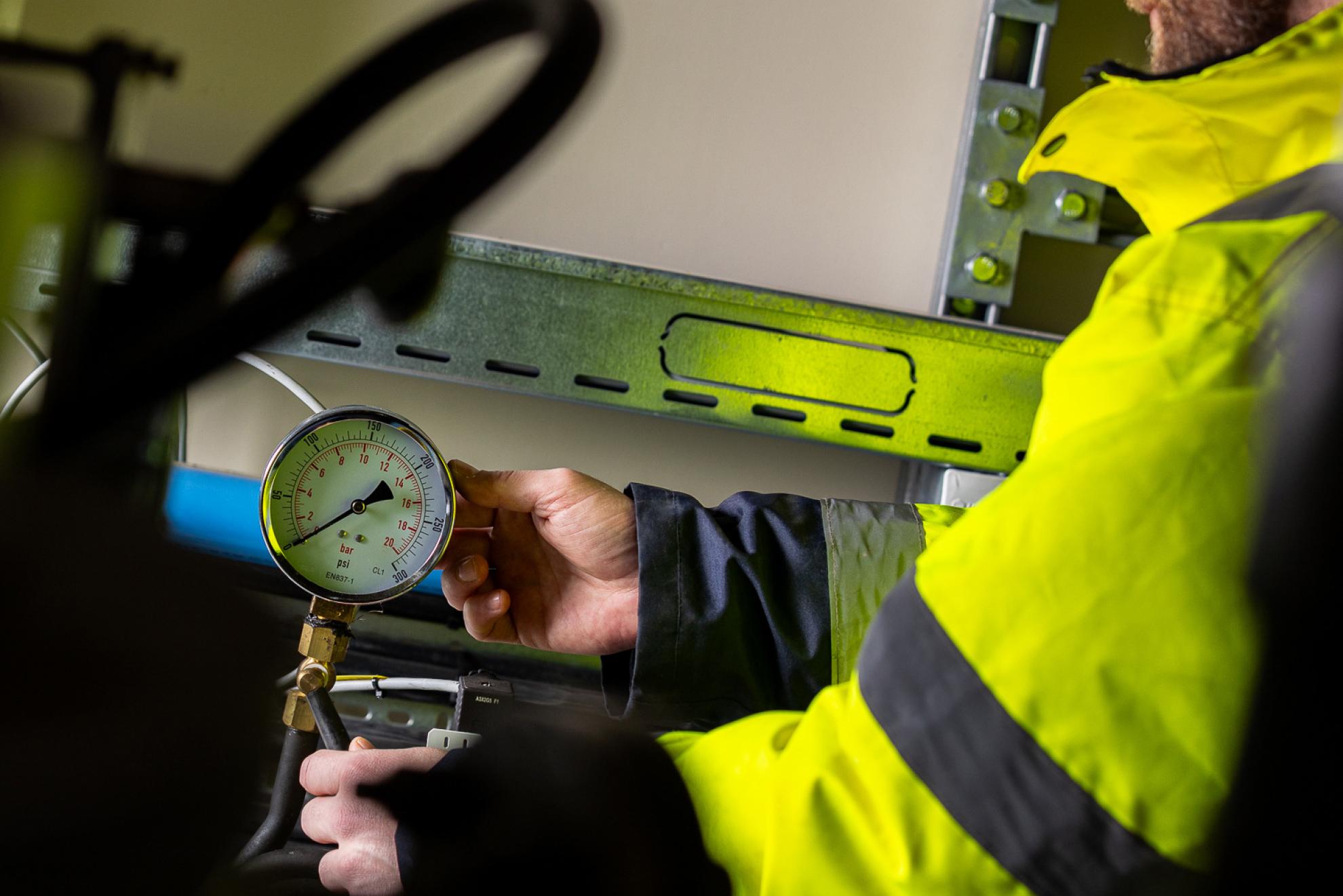
Hydrothermal carbonisation is the first stage of Onunda’s integrated process. It uses heat and pressure to treat wet organic residues, including surplus manure, slurry and digestate, without drying them first.
The process produces a carbon-rich solid called hydrochar alongside a liquid containing recoverable nutrients. These solid and liquid fractions are then separated for further processing, preparing the material for nutrient recovery, biochar production and energy recovery in the stages that follow.

Dewatering & Nutrient recovery
After hydrothermal carbonisation, mechanical dewatering separates the nutrient-rich liquid from the solid hydrochar. The liquid recovered from agricultural residues can be used as a liquid fertiliser or directed to anaerobic digestion to support biogas production.
The separated hydrochar moves on to drying and pyrolysis, where it is converted into biochar.
Pyrolysis & Energy recovery
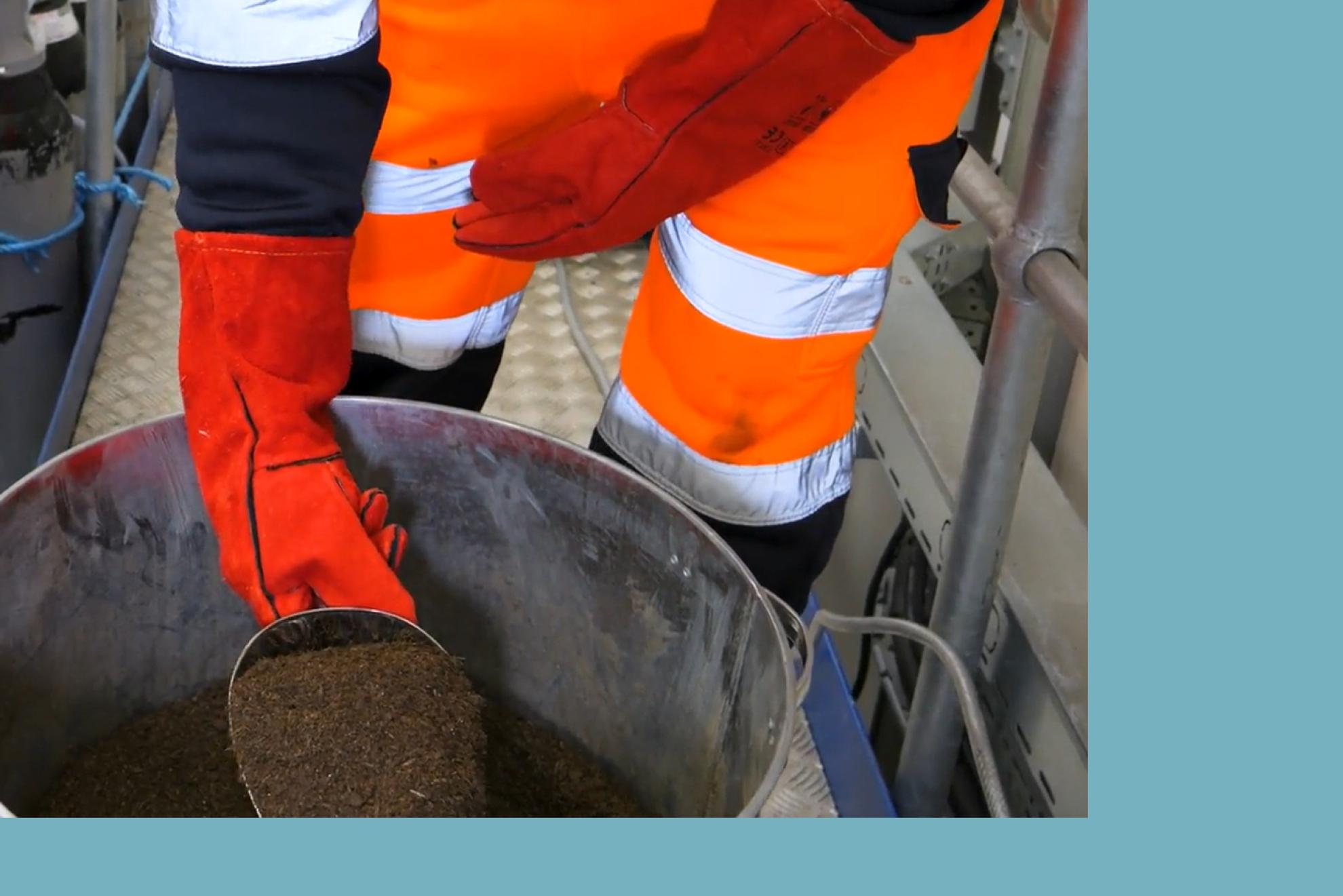
The hydrochar is dried using recovered heat, then heated in the absence of oxygen through pyrolysis to produce biochar and process gas. Carbon is retained in the biochar, creating the potential for long-term carbon storage.
The gas is recovered to supply energy for treatment. Pilot demonstrations have shown that recovered process gas can supply 90% of the plant’s energy needs, reducing reliance on external energy.
The benefits
Recovering resources. Retaining carbon.
Onunda turns surplus manure, slurry and digestate into biochar and nutrient-rich liquid fertiliser, helping farms manage surplus materials and supporting a domestic source of nutrients for UK growers. Recovered process gas supplies energy for treatment, reducing reliance on external energy. Carbon retained in biochar creates the potential for long-term carbon storage, adding further value to the resources recovered from agricultural residues.


Onunda’s technology is designed to recover nutrients, carbon and energy from wet organic residues. Our focus is British agriculture, with wider applications for sewage sludge and suitable organic residues from food production.
01 - Agricultural residues
Onunda turns surplus manure, slurry and digestate into biochar and nutrient-rich liquid fertiliser, helping farms manage surplus materials and recover value from nutrients that can support British agriculture.
02 - Existing wastewater treatment facilities
Onunda’s technology is designed for integration with existing wastewater treatment facilities, providing an additional route for processing sewage sludge and recovering nutrients, carbon and energy from the solids produced during treatment.
03 - New sludge treatment facilities
Onunda’s process can be incorporated into the sludge treatment stage of new wastewater projects, making nutrient, carbon and energy recovery part of the design from the outset.
04 - Food industry residues
Food production and processing generate wet organic residues containing recoverable nutrients, carbon and energy. Onunda’s approach extends to suitable materials from these industrial waste streams.
05 - Biochar & Carbon storage
Onunda’s process retains carbon in biochar, supporting long-term carbon storage. Eligible projects can generate carbon removal credits once their net carbon removal is independently verified under a recognised standard, adding value alongside the recovered products.
Nutrient neutrality and water protection
Onunda recovers nutrients from surplus manure, slurry and digestate, turning them into biochar and nutrient-rich liquid fertiliser. This helps farms manage surplus materials and enables nutrients to be directed to growers who need them.
Projects that demonstrate lasting reductions in nutrient pollution within an affected catchment can support nutrient neutrality. Eligibility for nutrient credits depends on evidence of those reductions, long-term delivery and acceptance by the relevant planning authority.