
Turning British agricultural waste into UK-made fertiliser
The benefits
Recovering nutrients from surplus farm residues creates useful products for British agriculture.
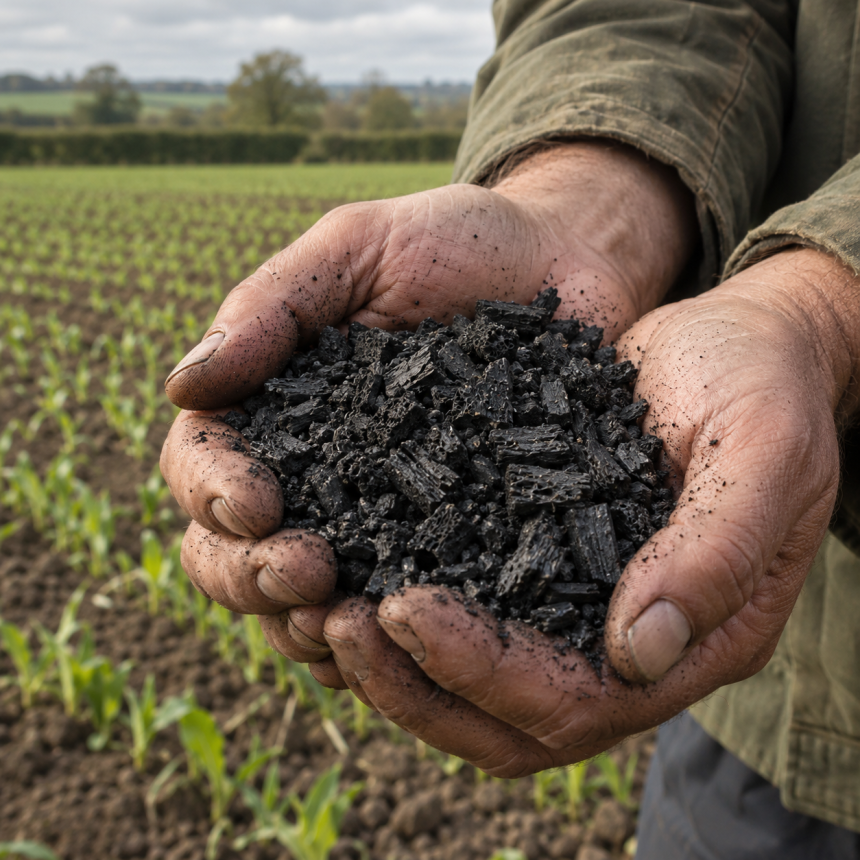
Onunda turns manure, slurry and digestate into biochar and nutrient-rich liquid fertiliser, helping farms manage surplus materials and supporting a domestic source of fertiliser for UK growers.

Our vision
Our vision is to transform surplus agricultural residues from a challenge for British farms into a valuable source of biochar and nutrient-rich liquid fertiliser, supporting UK agriculture and reducing reliance on imported fertilisers.

Our mission
Our mission is to help British farms recover value from surplus manure, slurry and digestate. Through our treatment technology, we aim to turn these agricultural residues into biochar and nutrient-rich liquid fertiliser for UK growers.
Our technology also has applications in treating sewage sludge from wastewater treatment plants. We aim to work with partners across agriculture and the water sector to develop practical treatment solutions that recover useful resources and improve how these materials are managed.

How Onunda can address the current challenges
Managing surplus residues
Challenge
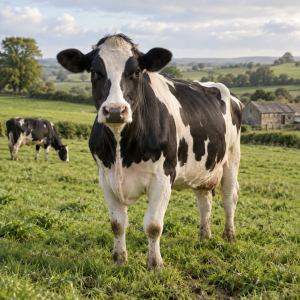
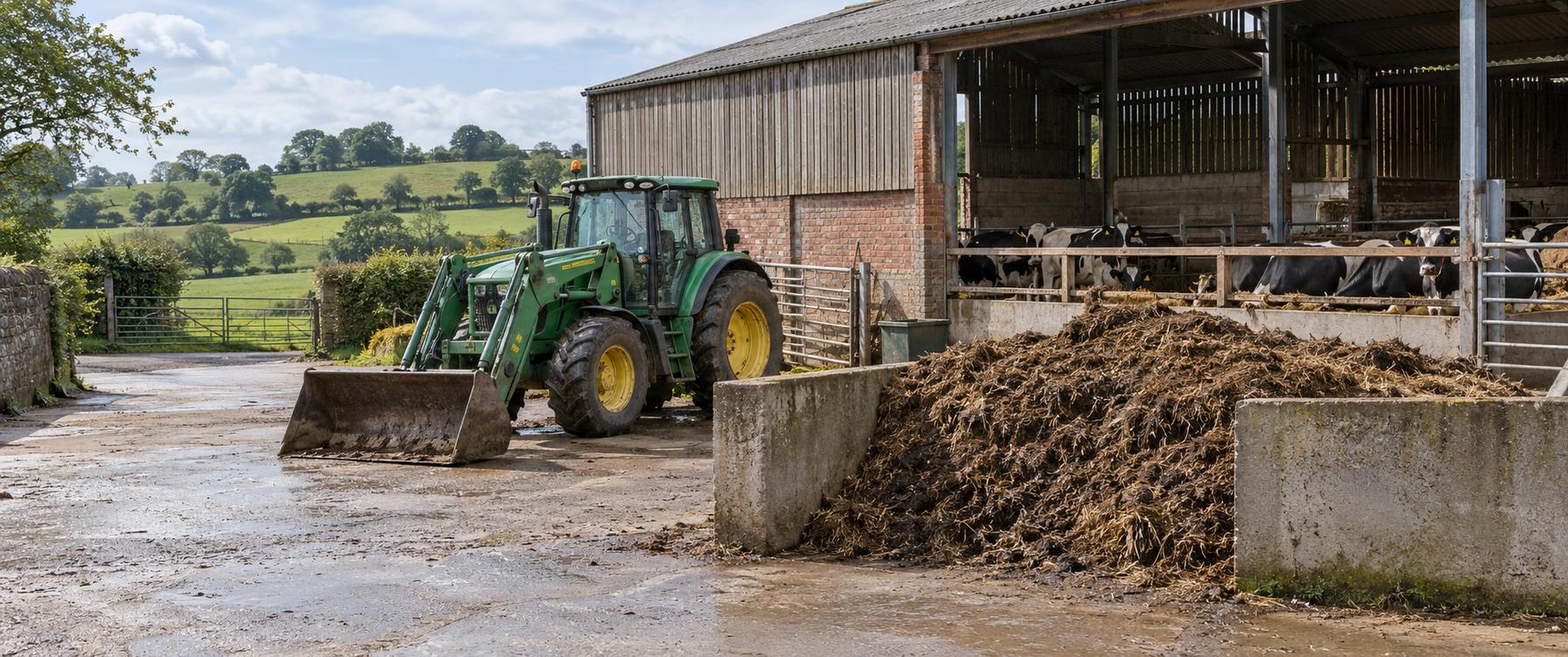
Surplus manure, slurry and digestate can be difficult for British farms to store, transport and manage.
Solution
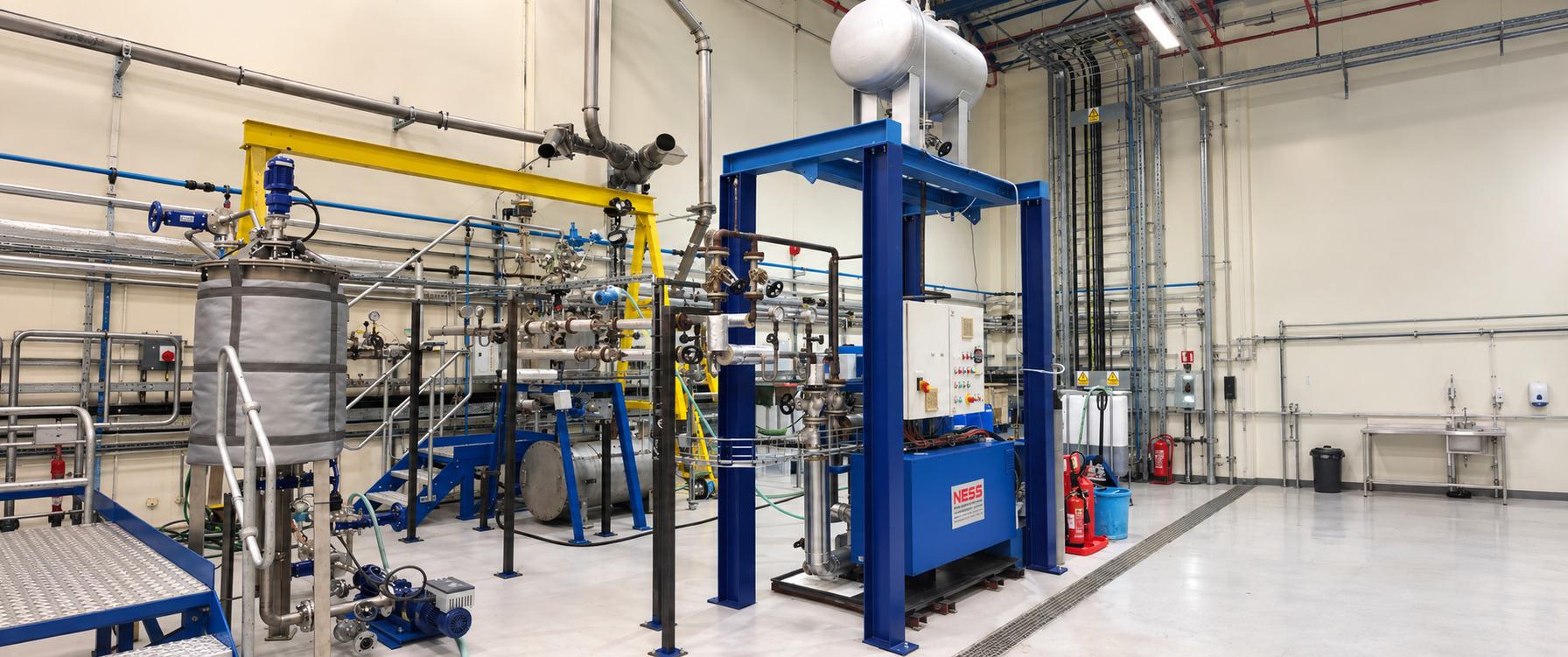
Onunda’s technology treats these agricultural residues to recover useful resources. It also has applications in treating sewage sludge from wastewater treatment plants.
Protecting land and water
Challenge
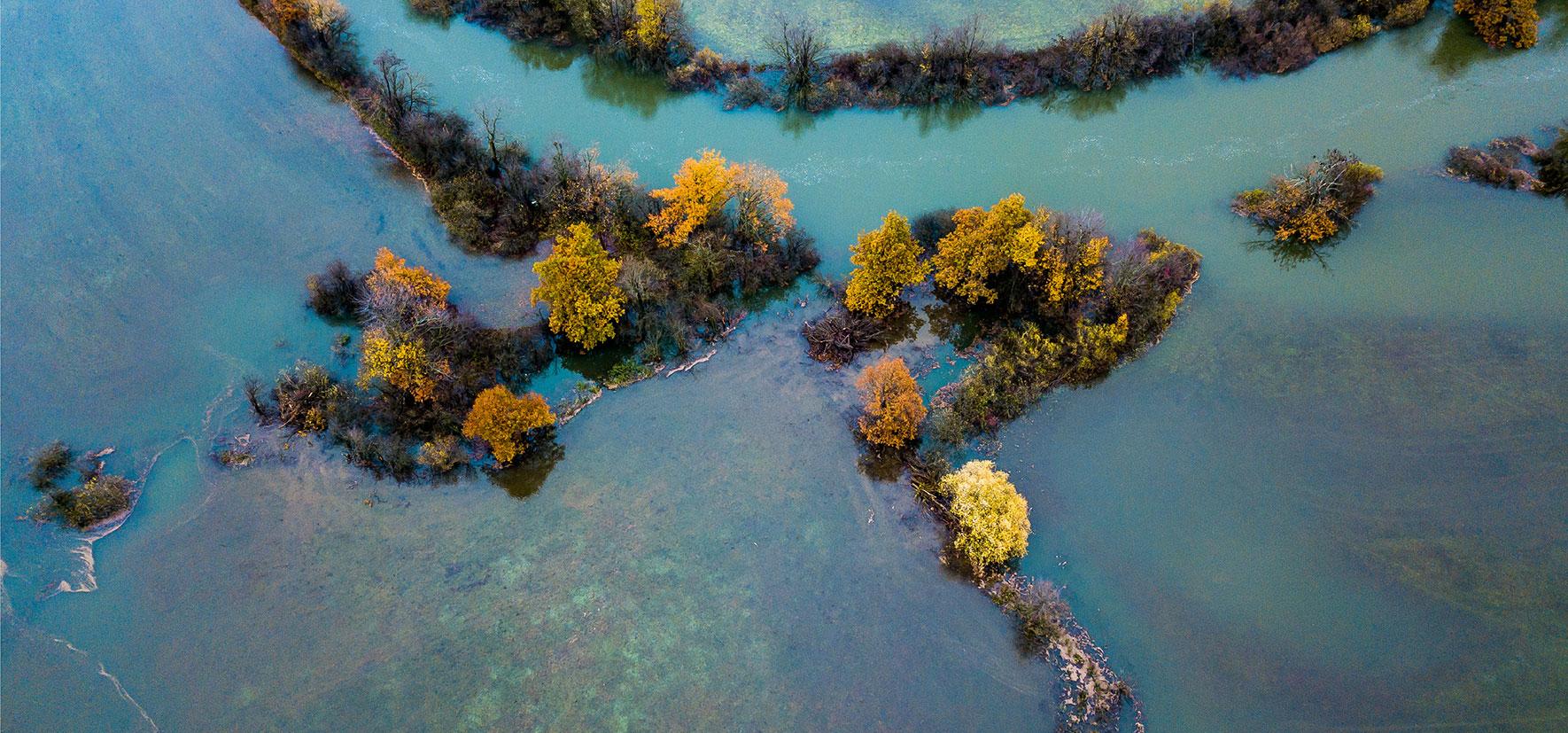
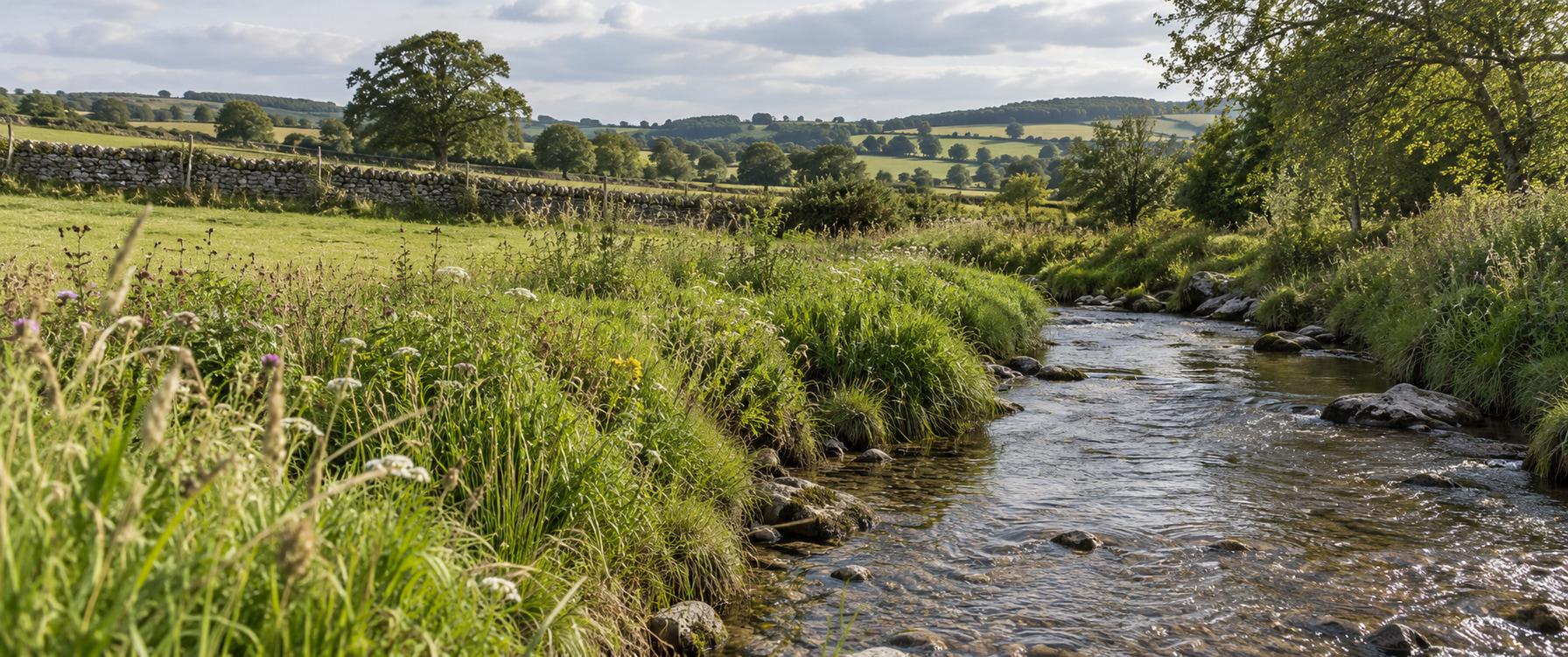
When nutrients from farm residues exceed what local crops need, they can accumulate in soil and increase the risk of losses to watercourses.
Solution
Onunda recovers nutrients from surplus agricultural residues into useful products, helping farms manage materials that exceed local nutrient needs.
UK-made fertiliser
Challenge
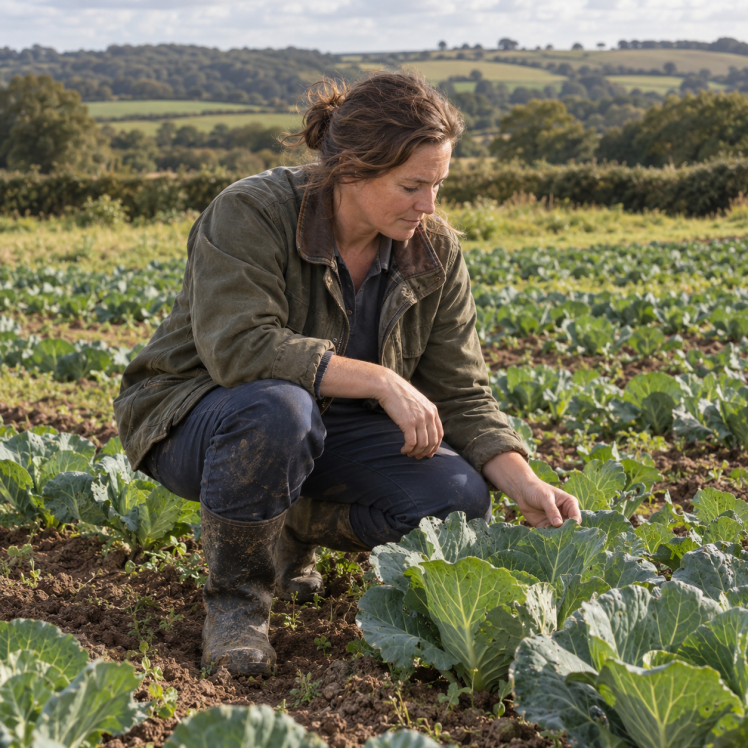
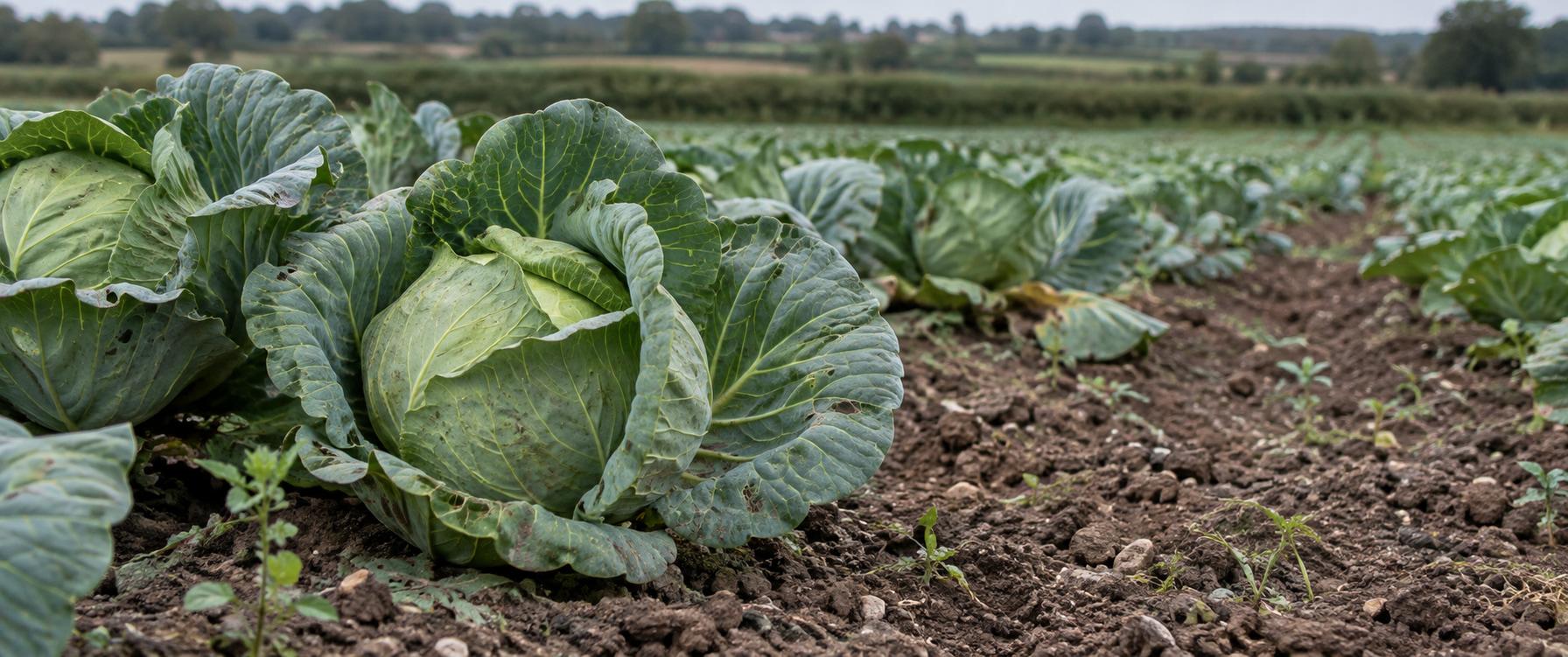
UK growers rely in part on imported fertilisers, while British farms produce surplus materials containing valuable nutrients and carbon.
Solution
Onunda turns agricultural residues into biochar and nutrient-rich liquid fertiliser, supporting a domestic source of useful products for UK agriculture and horticulture.
90% energy self-sufficiency
Challenge
Treating and drying wet agricultural residues requires energy.
Solution
Onunda uses recovered process gas to supply 90% of the energy needed for treatment. The process also produces biochar, retaining a portion of the residues’ carbon in a stable form with the potential for long-term storage.